
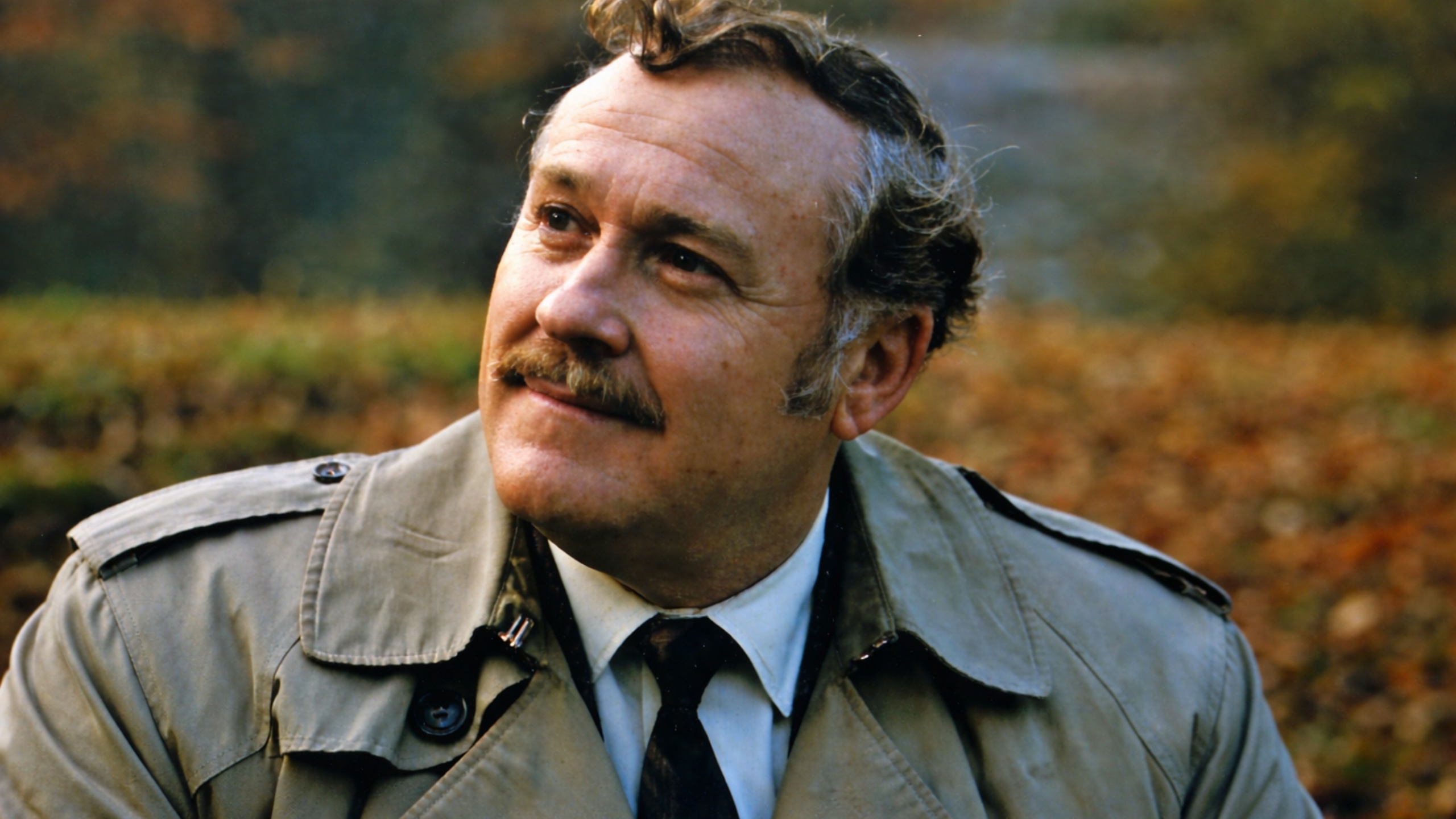
Clair Hutchins: Latter Rain Power Network to Cross and the Switchblade
Clair Hutchins was not a peripheral revival figure but a formal insider within the Latter Rain movement, serving as musical director and assistant pastor at Joseph Mattsson-Boze’s Philadelphia Church in Chicago while operating across Youth for Christ, independent Pentecostal networks, and senior pastorates. His career illustrates how Latter Rain authority structures translated into durable institutions through music, centralized leadership, ordination networks, and later media evangelism via the World Film Crusade.
Clair Dean Hutchins functioned not merely as an associate or peripheral figure but as a formal insider within the Latter Rain institutional structure centered at Philadelphia Church in Chicago. Contemporary newspaper reporting explicitly identifies Hutchins as the musical director of the Philadelphia Church under the pastorate of Joseph D. Mattsson-Boze, establishing a direct leadership role within one of the most influential Latter Rain hubs of the postwar period [1]. This position placed Hutchins in a governing and programmatic capacity at a church that was nationally recognized for its promotion of Latter Rain theology, authoritarian leadership models, and revival networks extending across North America and overseas.
During the mid-to-late 1940s, Hutchins’ role at Philadelphia Church coincided with his national visibility as a revival musician and rally leader. Reports document his leadership of Youth for Christ and Assembly of God–affiliated rallies, where he served as song leader, master of ceremonies, and speaker, reinforcing his function as both a musical and ministerial authority rather than a transient performer [1]. These activities occurred while Philadelphia Church, under Mattsson-Boze, publicly aligned itself with controversial revival figures and resisted denominational opposition to Latter Rain teachings. His years with Mattsson-Boze at Philadelphia Church intersect with the timeline of Mattsson-Boze's strong promotion of William Branham's ministry
Advertisements and church notices from the period further confirm the institutional stability and prominence of Philadelphia Church at 5437 North Clark Street, identifying Mattsson-Boze as pastor and situating Hutchins’ musical directorship within a fixed organizational hierarchy rather than an informal association [2]. Taken together, the evidence demonstrates that Hutchins’ involvement with Mattsson-Boze and the Philadelphia Church constituted a formal leadership appointment inside a key Latter Rain center, shaping his subsequent influence across independent Pentecostal, Youth for Christ, and revivalist networks.
Early Musical Career and Transition into Pentecostal Ministry
Clair Dean Hutchins entered Pentecostal ministry through a background in professional music, a transition that is well documented in mid-1940s newspaper coverage. Prior to his full-time religious work, Hutchins was identified as a trained vocalist associated with major opera organizations, including the Chicago Opera Company and the American Opera Company, establishing him as a professionally credentialed singer rather than a purely church-trained musician [3][4]. Reports emphasize that his conversion marked a decisive shift from secular performance into gospel music and evangelistic work, a change that became central to his public identity.
Following his conversion, Hutchins rapidly developed a national profile as an evangelistic soloist and radio singer. Newspapers describe him as an oratorio and radio baritone who gave gospel concerts throughout the western United States and appeared regularly on Sunday radio broadcasts in Chicago [3]. This combination of musical skill, radio exposure, and revival performance provided Hutchins with a platform that extended beyond a single congregation and allowed him to function as a recognizable figure within emerging postwar evangelical and Pentecostal media culture.
By late 1944, Hutchins was already moving into ministerial responsibilities alongside his music career. Articles note his expectation to return to Chicago to assume duties as assistant pastor at Philadelphia Church on North Clark Street, indicating an early integration of musical leadership with pastoral office rather than a sequential progression from one role to the other [4]. This blending of professional music credentials with clerical authority laid the groundwork for Hutchins’ later appointment as musical director under Joseph Mattsson-Boze and explains how his musical prominence translated directly into institutional leadership within Pentecostal and Latter Rain networks.
Philadelphia Church of Chicago under Joseph Mattsson-Boze
Philadelphia Church of Chicago functioned as a central institutional hub within the Latter Rain movement during the postwar years, operating under the leadership of Joseph D. Mattsson-Boze. Contemporary notices and reporting identify the church’s location at 5437 North Clark Street and consistently name Mattsson-Boze as pastor, establishing the congregation as a fixed and recognizable center of authority rather than a transient revival venue [5]. Within this structure, Clair Dean Hutchins held a formal leadership appointment as musical director and assistant pastor, confirming that his role was embedded in the church’s governing and liturgical life rather than limited to guest appearances or itinerant ministry [6].
Hutchins’ position at Philadelphia Church coincided with the period in which the congregation openly aligned itself with Latter Rain theology and resisted broader Pentecostal opposition to the movement. Newspaper accounts documenting Hutchins’ external ministry repeatedly reference his Chicago base and his leadership role at Philadelphia Church, indicating that his national activities in rallies, concerts, and evangelistic meetings were extensions of his standing within Mattsson-Boze’s church rather than independent endeavors [6][7]. This relationship illustrates how Philadelphia Church functioned as a launch point for ministers whose influence reached beyond Chicago into regional and national revival circuits.
The institutional stability of Philadelphia Church is further underscored by advertisements and announcements that present regular service schedules, pastoral continuity, and public events, reinforcing its role as an organizing center for Latter Rain–aligned ministry [5]. Hutchins’ appointment as musical director placed him in direct collaboration with Mattsson-Boze at a time when music, prophecy, and mass meetings were integral to the movement’s authority structures. As a result, Hutchins’ later prominence within independent Pentecostal and revivalist networks cannot be separated from his leadership formation at Philadelphia Church, which served as both his ministerial base and his point of entry into the broader Latter Rain world.
Youth for Christ, Beulah Temple, and Independent Pentecostal Networks
By the late 1940s, Clair Dean Hutchins had expanded his ministry beyond the confines of Philadelphia Church into broader youth-oriented and independent Pentecostal networks. Contemporary newspaper reports repeatedly place Hutchins in Youth for Christ rallies, where he served as song leader, master of ceremonies, and featured minister, roles that combined musical leadership with public authority [8][9]. These appearances were not isolated events but part of a sustained national itinerary that included meetings across the United States, Canada, and Mexico, reflecting his integration into transnational revival circuits during the immediate postwar period [9].
During this same period, Hutchins transitioned into senior pastoral leadership at Beulah Temple in Chicago. Press coverage explicitly identifies him as pastor of Beulah Temple while simultaneously highlighting his national Youth for Christ profile, demonstrating that his pastoral authority operated in parallel with his itinerant revival work rather than replacing it [8]. Beulah Temple functioned as an independent Pentecostal congregation, situating Hutchins within a network of churches that operated outside strict denominational control while remaining closely connected to revivalist movements and youth evangelism.
The overlap between Youth for Christ activity and independent church leadership illustrates how Hutchins’ ministry exemplified a hybrid model common in late-1940s Pentecostalism, where mass rallies, youth mobilization, and local pastoral governance reinforced one another. His prominence within these networks positioned him as a bridge between institutional churches, independent assemblies, and revival-oriented parachurch movements, laying the groundwork for his later associations with Independent Assemblies of God leadership and broader revival coalitions that emerged from the Latter Rain milieu.
Senior Pastoral Roles and Expansion of Influence
As his national profile increased, Clair Dean Hutchins consolidated his authority through senior pastoral appointments that extended his influence beyond Chicago. After his tenure at Beulah Temple, Hutchins assumed leadership roles in additional congregations that reflected the independent Pentecostal and revival-oriented character of his ministry. Later biographical reporting identifies him as a senior pastor at Bethel Temple in Chicago and subsequently at Maranatha Temple in Brooklyn, positions that placed him at the center of congregations shaped by postwar charismatic theology and revival culture [10].
In the mid-1960s, Hutchins co-founded the Brooklyn Gospel Tabernacle with Edward Mau Jr., an institutional development that marked a significant expansion of his ministerial reach. Contemporary and retrospective accounts describe the church as rapidly gaining recognition for large-scale prayer meetings and a growing musical ministry that would later become nationally known [10]. This phase of Hutchins' career illustrates a transition from itinerant revival leadership into sustained congregational governance within a major urban context.
These senior pastoral roles also positioned Hutchins within overlapping networks of independent Pentecostal leaders, revivalists, and parachurch organizers. His leadership trajectory demonstrates how figures emerging from Latter Rain-aligned institutions often translated revival authority into long-term pastoral structures, reinforcing their influence through churches that functioned as regional and national centers rather than isolated local assemblies. Hutchins' later prominence within charismatic Christianity thus rested on a foundation laid through both revival mobilization and institutional church leadership.
Alignment with Branham, Mattsson-Boze, and Independent Assemblies of God
Clair Dean Hutchins’ leadership trajectory placed him within a tightly connected network of revival figures and independent Pentecostal institutions that coalesced around Joseph Mattsson-Boze, William Branham, and the Independent Assemblies of God. Hutchins’ formal appointment as musical director and assistant pastor at Philadelphia Church under Mattsson-Boze located him inside one of the most influential Latter Rain centers of the period, a church that functioned as both a theological incubator and an organizational hub for revival-aligned ministers [11]. This institutional setting fostered close collaboration among leaders who rejected denominational oversight while promoting centralized authority and charismatic legitimacy.
Philadelphia Church played a documented role in sustaining and promoting controversial revival figures during periods of denominational opposition. Historical records identify Mattsson-Boze as a public defender of William Branham during moments when Branham faced criticism and exclusion from mainstream Pentecostal bodies. Hutchins’ leadership position within Mattsson-Boze’s church situates him within the same ministerial infrastructure that facilitated Branham’s continued visibility and acceptance in independent Pentecostal circles [12]. This alignment was not incidental but reflected shared theological commitments and organizational strategies characteristic of Latter Rain networks.
Hutchins’ associations extended into the Independent Assemblies of God, a fellowship founded by A. W. Rasmussen that provided institutional legitimacy to ministers operating outside traditional denominational structures. Philadelphia Church’s ordination activity, including the ordination of figures such as Jim Jones, demonstrates how this network functioned as a gateway for emerging ministers whose careers were shaped by Latter Rain theology and revival authority claims [13]. Hutchins’ leadership roles, ordination credentials, and revival partnerships collectively position him as an embedded participant in a movement that linked charismatic experience, authoritarian governance, and independent institutional frameworks, rather than as a marginal or purely musical contributor.
World Film Crusade and The Cross and the Switchblade
In the later phase of his ministry, Clair Dean Hutchins extended his influence beyond congregational leadership and revival meetings into mass-media evangelism. In 1973, Hutchins founded World Film Crusade, a nonprofit organization established for the explicit purpose of acquiring and distributing the motion picture adaptation of David Wilkerson’s The Cross and the Switchblade as an evangelistic tool [14]. This initiative reflected a strategic shift toward visual media as a means of reaching audiences unlikely to attend traditional religious services, aligning with broader trends in postwar evangelical outreach.
Contemporary reporting and retrospective accounts emphasize that Hutchins personally secured the film rights and set an ambitious goal of translating and distributing the film internationally. Obituary coverage notes that multiple language versions were completed or in production at the time of his death, underscoring the scale and seriousness of the project [14]. World Film Crusade thus functioned as an extension of Hutchins’ earlier revivalist methods, translating the emotional and testimonial appeal of mass meetings into a cinematic format capable of global circulation.
This media-focused phase of Hutchins’ career illustrates continuity rather than departure from his earlier ministry. The same emphasis on dramatic conversion narratives, charismatic authority, and centralized leadership that characterized his Latter Rain and Youth for Christ involvement reappeared in his film distribution strategy. By leveraging a widely known evangelical story and prominent actors, Hutchins positioned World Film Crusade as a bridge between revival culture and modern mass communication, reinforcing his long-standing commitment to large-scale evangelistic influence.