Birmingham 1963 Gaston Motel Bombing: Was Branham Present?
In May 1963, the A. G. Gaston Motel in Birmingham was bombed amid public Klan threats and prior warnings to authorities, and the resulting injuries and outrage helped spark the Birmingham unrest that followed. The piece then examines William Branham’s claim to have witnessed the riot and highlights how his post-riot comments echoed segregationist and Klan-aligned narratives about schooling and interracial marriage.
In the spring of 1963, Birmingham, Alabama became a focal point of the civil rights movement as local organizers and national leaders confronted the city's entrenched segregation. Demonstrations targeting discriminatory policies—especially within public life and education—were met with resistance from city authorities and intensified hostility from segregationist and white supremacist groups. The result was a volatile atmosphere in which protest activity, police response, and organized intimidation all escalated in close succession.
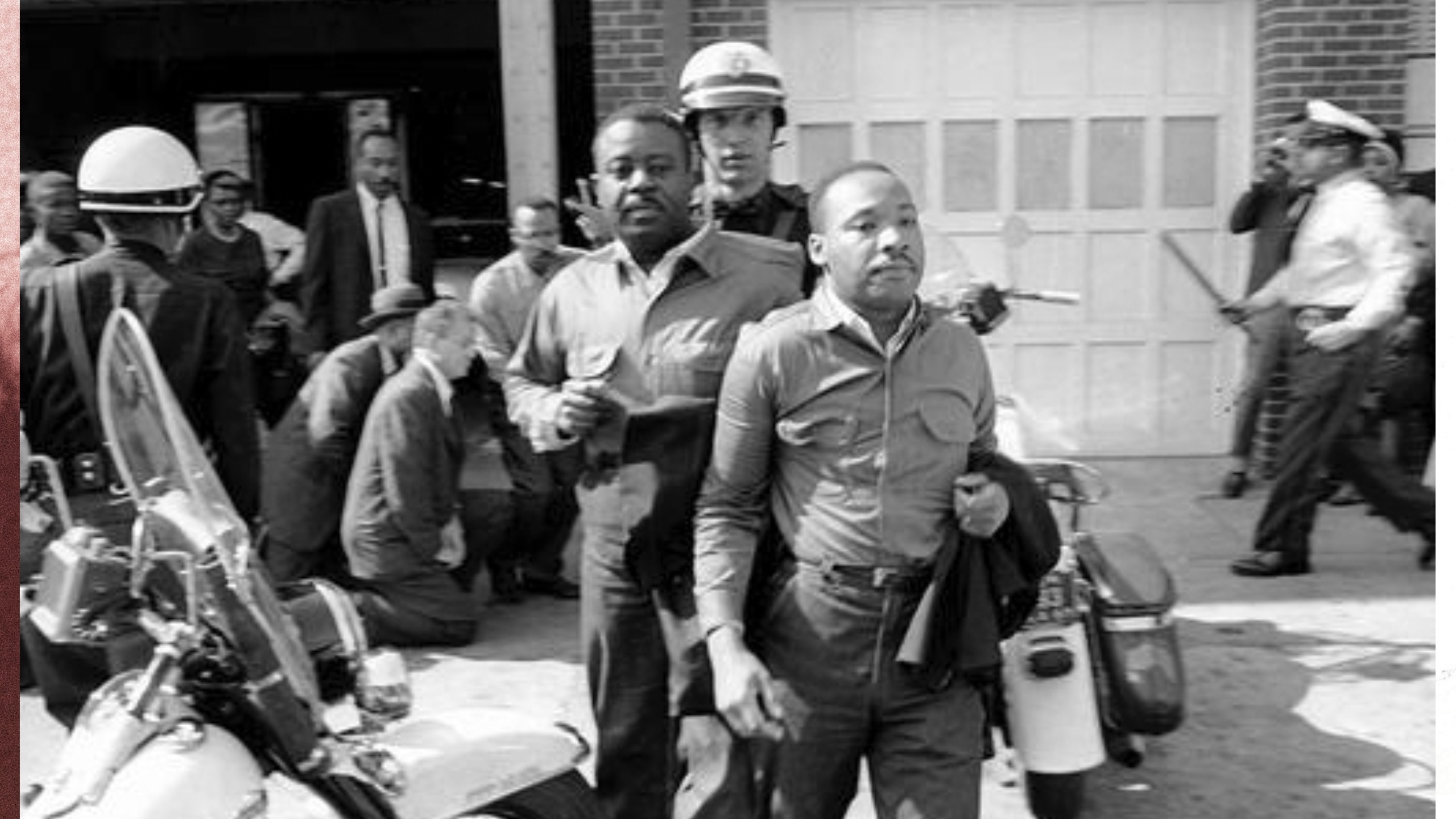
In May of 1963, white supremacist organizations bombed the A. G. Gaston Motel, where civil rights leader Martin Luther King, Jr. and others had organized protests against the segregation of the school system and discrimination in Birmingham.[1] Rev. Fred Shuttlesworth had convinced King that the desegregation of Birmingham would have a strong influence on the nation, giving the civil rights leaders more recognition and influencing the other states of the nation. Shuttlesworth said that, "If you come to Birmingham, you will not only gain prestige, but really shake the country. If you win in Birmingham, as Birmingham goes, so goes the nation."[2] Fifty people were hurt in the bombing, angering the black community and resulting in the Birmingham Race Riot of 1963.[3]
The attack was no surprise. The Ku Klux Klan had held a massive rally just outside the city, and anonymous phone threats were made before the bombing. Birmingham police and the FBI were notified ahead of time that the Klan had planned the attack. The hotel and surrounding area were already under surveillance[4] as an angry mob cried out for Klansmen to kill the civil rights leaders.[5]
This sequence—public threats, prior notification, and then an attack anyway—matters for interpreting the unrest that followed. When a community believes violence is imminent, alerts authorities, and then watches the violence occur regardless, anger is not merely emotional; it is a rational response to the perception that protection and accountability have failed. In that setting, disorder can spread quickly, especially when crowds gather and rumors, fear, and fury intensify faster than officials can restore trust.
Interestingly, William Branham's sermons are missing from the month of May during the Klan rally,[6] during one of his most active years of recording sermons. William Branham claimed that he was there during the riot, though it is unclear whether or not he was actually present:
Was there, remember that old colored brother standing up, that morning, in that riot. [7]
Branham's comment functions as a personal eyewitness claim, positioning him as someone who observed the events firsthand. Because the broader record is incomplete (at least in terms of his sermon recordings for that month), the claim becomes difficult to verify from his own published chronology, which increases the importance of reading his later remarks as rhetoric with a specific social and political purpose—namely, to frame the conflict as unnecessary agitation rather than a response to intimidation and violence.
Following the pattern of other white supremacist leaders, William Branham spoke strongly against the education system and claimed that people with black skin should be happy with their segregated system. Branham publicly sided with those who bombed the blacks in Birmingham. Just after the Birmingham Race Riot, Branham belittled the blacks who fought for equality and repeated the Klan's false claims that schools for blacks were just as good as the schools for whites.
That man, under this, is only going to cause many, many, many more of them to be killed. Then it'll start a revolutionary again, that'll never wade out of the people down here. So they're not slaves. They have as much freedom as anybody else. They, if they were slaves, I would be on that side. But they're not slaves. It's just because they want to go to school. They got schools. Let them go to school. That's right. Was there, remember that old colored brother standing up, that morning, in that riot. He asked the militia if he could speak. He said, 'I never was ashamed of being a black man. My Maker made me a black man. But this morning, I'm ashamed the way my race is acting. What's them people doing to us? Only been good to us.[8]
After stating his position on the matter, Branham voiced his opinion on interracial marriage. According to Branham, the schools were resulting in "hybreeding," his term for mixing people with black skin and white skin. The Klan was strongly opposed to interracial marriage.
He makes white man, black man, red man. We should never cross that up. It becomes a hybrid. And anything hybrid cannot re-breed itself. You are ruining the race of people. There is some things about a colored man that a white man don't even possess them traits. A white man is always stewing and worrying; a colored man is satisfied in the state he is in, so they don't need those things.[9]