
The Healing Revival and the Civil Rights Crisis: William Branham, the Klan, and White Supremacy
Postwar American revivalism developed alongside fierce resistance to racial integration, with leading figures openly opposing civil rights through theological and prophetic language. Sermons, public statements, newspaper reporting, and federal investigations reveal how white supremacist ideology, Christian Identity theology, and apocalyptic race-war expectations became intertwined with healing revival authority.
After World War II, the United States entered a period of intense social and political conflict over race, citizenship, and equality. Although slavery had ended nearly a century earlier, racial segregation remained deeply entrenched in American life, particularly in the southern states. Public schools, transportation, housing, restaurants, and restrooms were divided along racial lines, with facilities for Black Americans consistently inferior to those reserved for whites [1]. These systems of segregation were enforced not only by local custom but by state and municipal law, commonly referred to as Jim Crow.
Beginning in the 1930s, attorneys associated with the National Association for the Advancement of Colored People (NAACP) pursued a long-term legal strategy to dismantle segregation, focusing especially on public education. Their argument challenged the doctrine of “separate but equal,” asserting that segregation itself created inequality regardless of material conditions [2]. This effort culminated in the landmark 1954 Supreme Court decision Brown v. Board of Education, which ruled that racial segregation in public schools was unconstitutional [3].
The Brown decision, however, did not result in immediate or widespread integration. Across the South, state governments, school boards, and private citizens organized campaigns of “massive resistance” to defy federal law. Integration orders were delayed, obstructed, or openly rejected, often accompanied by political agitation, intimidation, and violence [4]. White Citizens Councils, Ku Klux Klan organizations, and allied political figures mobilized to preserve segregation, framing their cause as a defense of Christianity, states’ rights, and American civilization itself [5].
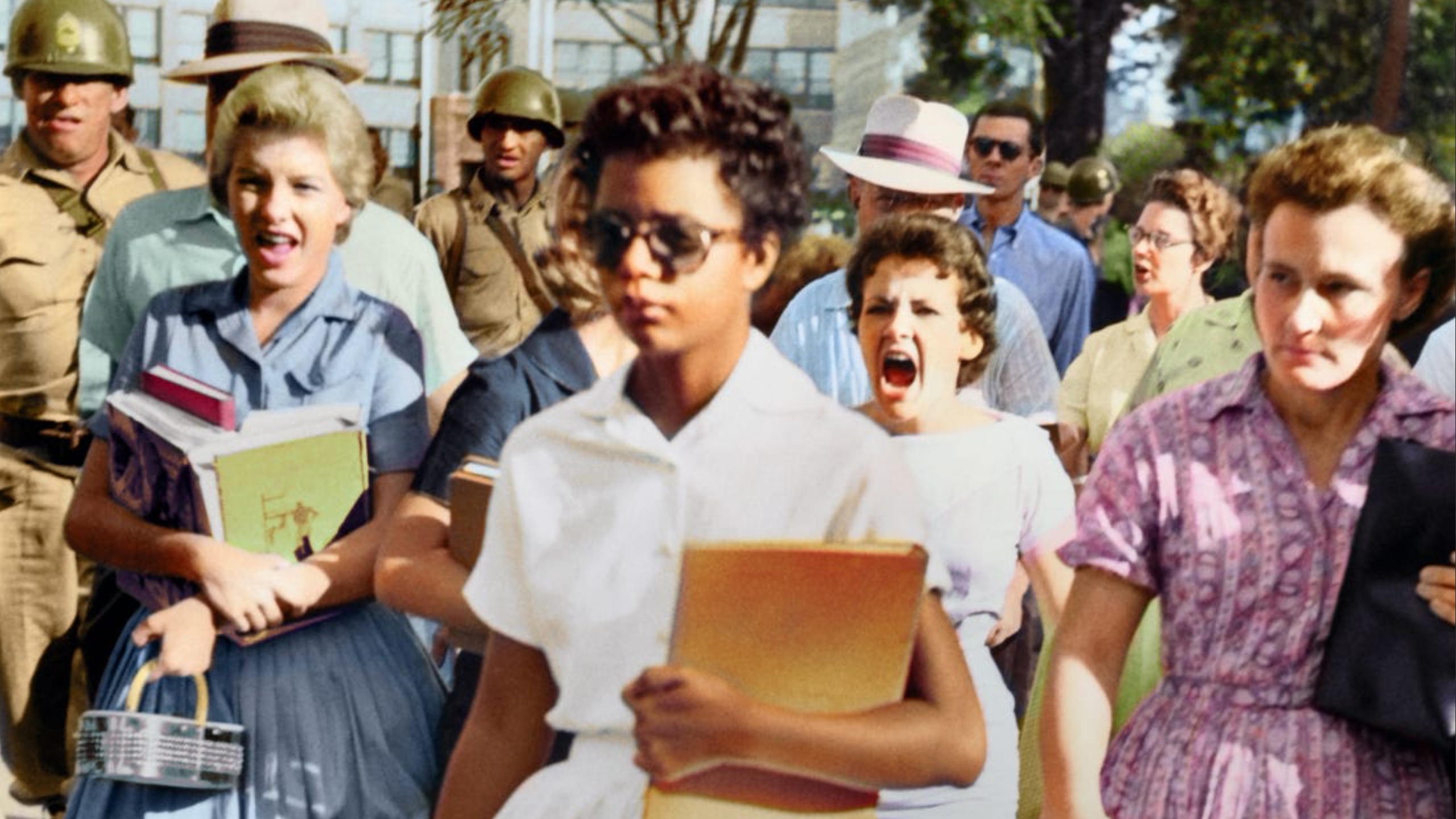
By the late 1950s, the struggle over civil rights had become one of the defining conflicts of American life. Events such as the 1957–1958 crisis surrounding the integration of Little Rock Central High School revealed the extent to which racial ideology, religious rhetoric, and organized extremism had converged in opposition to desegregation [6]. This broader civil rights battleground formed the social and political backdrop against which postwar religious movements—including the healing revival—developed and operated.
White Supremacy, Segregation, and Resistance to Integration
In response to the growing momentum of the Civil Rights Movement, organized resistance to integration expanded rapidly during the 1950s. White supremacy was not limited to fringe groups operating outside respectable society; it was often articulated through civic organizations, churches, newspapers, and political forums. Segregationists framed their opposition to integration as a moral, religious, and constitutional duty, arguing that racial separation was ordained by God and necessary to preserve social order [7].
One of the most influential vehicles for this resistance was the White Citizens Council movement. Unlike the Ku Klux Klan, which relied on secrecy and intimidation, Citizens Councils presented themselves as respectable, law-abiding organizations composed of ministers, businessmen, and public officials. Their goals, however, were aligned with those of overtly extremist groups: preventing school integration, opposing federal enforcement of civil rights law, and maintaining white political dominance [8]. Council leaders routinely used religious language, warning that integration would lead to moral decay, communism, and the collapse of Christian civilization [9].
Segregationist ideology was reinforced by a network of sympathetic clergy who preached racial separation from their pulpits. These ministers argued that God had established distinct nations and races, and that integration represented rebellion against divine order [10]. Such rhetoric provided theological cover for political activism and helped mobilize church communities against civil rights reforms. In this environment, resistance to integration was not merely a political position but a marker of religious orthodoxy and cultural identity.
By the late 1950s, segregationist movements increasingly intersected with organized white supremacist networks. Public rallies, school board meetings, and mass protests became forums where extremist ideology could be normalized and broadcast to wider audiences [11]. This fusion of civic respectability, religious justification, and racial ideology created a powerful counterforce to civil rights progress, setting the stage for violent confrontations and federal intervention across the South.
Roy E. Davis: Ku Klux Klan Leadership and Anti–Civil Rights Activism
Roy E. Davis emerged as a central figure linking organized white supremacy, religious authority, and resistance to civil rights during the postwar period. Long before the height of the Civil Rights Movement, Davis had established himself within extremist networks, rising through the ranks of the Ku Klux Klan and related organizations. Contemporary newspaper reporting and later federal investigations identified Davis as holding senior leadership roles, including service as an Imperial-level officer within Klan-affiliated groups [12].
By the late 1950s, Davis had become publicly active in campaigns opposing school integration. He served as president and spokesman for the Oak Cliff White Citizens Council in Dallas, Texas, using his clerical status to legitimize segregationist positions in civic forums [13]. At school board meetings and public rallies, Davis framed desegregation as a threat not only to white communities but to Christianity and the constitutional order. His rhetoric mirrored broader Citizens Council messaging that portrayed federal civil rights enforcement as tyrannical and un-American [14].
Federal Bureau of Investigation memoranda from 1958 document Davis’s direct participation in organized resistance to integration. FBI informants reported Davis delivering forceful anti-desegregation speeches, declaring he would rather face imprisonment than allow Black children to attend school with white children [15]. These reports further identified Davis as a recognized Klan leader operating openly within Citizens Council structures, underscoring the overlap between “respectable” segregationist organizations and overtly extremist movements [16].
Davis’s activism was not confined to Texas. FBI files show his name recurring in connection with national networks of white supremacist organizers, including coordination with figures such as Wesley Swift, a leading proponent of Christian Identity theology [17]. This convergence of racial ideology, religious doctrine, and political agitation positioned Davis as a key node in the broader resistance to civil rights—one whose influence extended into postwar revivalist circles and shaped the environment in which William Branham’s ministry developed.
The Healing Revival and Its Overlooked Racial Context
The post–World War II healing revival emerged during the same historical window as the modern Civil Rights Movement, yet the racial context in which the revival developed has often been minimized or ignored. Mass healing campaigns flourished in the late 1940s and 1950s, drawing tens of thousands to large auditoriums and tents across the United States. These meetings were frequently presented as spiritually unifying events that transcended denominational boundaries, but they did not exist outside the social realities of segregation and racial conflict [18].
Most major healing campaigns were conducted in racially segregated settings. Seating arrangements, travel accommodations, and local church partnerships often reflected prevailing Jim Crow norms, particularly in the South. While some revivalists avoided explicit political commentary, others openly aligned themselves with segregationist rhetoric or shared platforms with figures active in anti–civil rights movements [19]. In this environment, revival preaching could function as a vehicle for reinforcing existing racial hierarchies under the guise of spiritual authority.
William Branham rose to prominence as the most influential figure of the healing revival, and his ministry became a focal point for convergence between revivalist theology and racial ideology. Branham’s early ministerial formation occurred within networks that included Ku Klux Klan leaders and proponents of Christian Identity theology, embedding racial assumptions into the revival’s theological framework [20]. Though often presented as a prophet to all people, Branham’s sermons repeatedly framed integration, civil rights activism, and racial equality as threats inspired by communism or demonic influence [21].
The revival’s emphasis on divine revelation and prophetic authority further insulated these ideas from scrutiny. Teachings presented as supernatural insight were difficult to challenge, even when they mirrored contemporary white supremacist narratives. As a result, racial ideology could be rebranded as spiritual discernment, allowing extremist views to circulate within revivalist communities without being openly identified as political or racist [22].
Understanding the healing revival apart from the civil rights struggle obscures how religious authority was used to normalize resistance to integration. The revival did not merely coexist with segregation; in key instances, it provided theological language and charismatic legitimacy that reinforced opposition to racial equality during one of the most critical periods in American history [23].
William Branham’s Ordination and Early Formation Under Roy E. Davis
William Branham’s rise as the leading figure of the postwar healing revival cannot be separated from his early ministerial formation under Roy E. Davis. Before Branham became nationally known as a healing evangelist, he was received, baptized, and ordained within the Pentecostal Baptist Church of God network led by Davis. In a 1950 article published in The Voice of Healing, Davis explicitly identified himself as Branham’s first pastor and ordaining minister, documenting a direct institutional and personal relationship between the two men [24].
This connection placed Branham within a religious environment shaped by Davis’s theological views and political commitments. At the time of Branham’s ordination, Davis already possessed a long history of involvement in white supremacist organizations and Ku Klux Klan leadership. His authority as a minister functioned alongside his role as a racial agitator, allowing extremist ideology to be transmitted through ecclesiastical structures rather than fringe political venues [25]. Branham’s early acceptance and promotion within revivalist circles therefore occurred under the endorsement of a figure deeply embedded in organized resistance to racial equality.
Branham later acknowledged that doctrines associated with Christian Identity circulated among elders in Davis’s church, even as he attempted at times to distance himself rhetorically from overt racial claims [26]. This admission is significant, as it demonstrates that the racial theology later expressed in Branham’s sermons did not emerge in isolation or solely through personal revelation. Instead, it developed within a ministerial context where ideas about bloodlines, divine separation, and racial hierarchy were already being discussed and normalized.
The importance of Davis’s role is underscored by the broader healing revival’s reliance on networks of trust and endorsement. Ordination, fellowship, and public testimony were critical mechanisms for establishing legitimacy within the movement. Davis’s public defense of Branham, presented to revival audiences as spiritual validation, obscured the ideological background of the endorsement itself [27]. As a result, Branham’s ministry carried forward assumptions and influences rooted in white supremacist religious culture, even as his reputation expanded far beyond the circles in which those ideas originated.
Christian Identity, the Two-Seed Doctrine, and Racial Theology
The theological bridge between the healing revival and organized white supremacy was Christian Identity ideology, particularly the doctrine commonly known as the “two-seed” or “serpent’s seed” teaching. This doctrine asserted that humanity descended from two distinct bloodlines: one originating with God through Adam, and the other originating with Satan through a sexual union between Eve and the serpent. Within Christian Identity theology, this framework was used to define racial hierarchy and to identify Jews and nonwhite peoples as descendants of the satanic seed [28].
Christian Identity did not originate within the healing revival but developed earlier within British Israelism and extremist racial theology. By the mid-twentieth century, it had been systematized and promoted by figures such as Wesley Swift, who combined white supremacy, antisemitism, and apocalyptic prophecy into a cohesive religious worldview [29]. Swift’s teachings circulated widely through churches, study groups, and political organizations, especially among Ku Klux Klan networks and affiliated ministers [30].
William Branham’s adoption and public promotion of the serpent’s seed doctrine represented a decisive moment in the convergence of revivalist theology and racial ideology. Although Branham later claimed that he had received the doctrine by divine revelation, he acknowledged that it had been discussed among elders in the Pentecostal Baptist Church of God led by Roy E. Davis [31]. This places Branham’s theological development squarely within a network where Christian Identity ideas were already present and actively transmitted.
In 1958, Branham publicly released his sermon titled The Serpent’s Seed, rebranding Christian Identity theology under his own prophetic authority [32]. While Branham often avoided explicit racial terminology in this sermon, the doctrinal structure mirrored that of Wesley Swift’s teachings. Those familiar with Christian Identity immediately recognized the alignment, even as Branham framed the message as biblical truth rather than racial ideology [33].
The significance of this doctrinal shift lies not only in its content but in its timing and reach. Through Branham’s national platform, ideas that had previously circulated primarily within extremist networks were introduced to a much broader revivalist audience. The two-seed doctrine thus functioned as a theological mechanism by which white supremacist concepts were spiritualized, normalized, and disseminated within the healing revival under the authority of prophetic revelation [34].
Little Rock, 1957–1958: Civil Rights Crisis and Extremist Mobilization
The confrontation over the integration of Little Rock Central High School in 1957–1958 marked one of the most visible flashpoints of the Civil Rights Movement. When nine Black students attempted to enroll under federal court order, state and local officials mobilized resistance, transforming the city into a national battleground over desegregation [35]. The crisis drew widespread attention not only because of the violence and intimidation directed at the students, but because it exposed the depth of organized opposition to civil rights at the local and national levels.
White supremacist organizations viewed Little Rock as a strategic opportunity to rally resistance. Ku Klux Klan factions, White Citizens Councils, and allied ministers converged on the city, framing integration as a communist plot and a direct assault on Christianity and American sovereignty [36]. Public demonstrations, mass meetings, and propaganda campaigns were coordinated to pressure officials and inflame public sentiment. The integration crisis thus became a focal point for extremist organizing far beyond Arkansas.
Federal Bureau of Investigation surveillance during this period documented the involvement of nationally known white supremacist leaders. FBI memoranda identify Roy E. Davis and Wesley Swift as active figures connected to protests and organizational efforts surrounding the Little Rock Nine incident [37]. These files demonstrate that resistance to integration was not spontaneous or purely local, but orchestrated through established extremist networks that linked racial ideology, religious doctrine, and political agitation.
The timing of this mobilization is significant in relation to developments within the healing revival. As the Little Rock crisis escalated and federal intervention intensified, religious leaders aligned with white supremacist movements increasingly framed civil rights enforcement as apocalyptic conflict. Integration was portrayed as a precursor to race war, divine judgment, and societal collapse—language that resonated strongly within prophetic and revivalist subcultures [38].
Little Rock therefore represents more than a civil rights milestone; it illustrates how extremist ideology, religious authority, and national politics converged during a moment of crisis. This convergence provided the backdrop for key theological and rhetorical shifts within William Branham’s ministry, which unfolded publicly during the same period and echoed many of the same fears and narratives circulating among segregationist leaders [39].
FBI Surveillance: Roy E. Davis, Wesley Swift, and Organized Resistance
Federal surveillance records from the late 1950s reveal the extent to which resistance to civil rights was coordinated through established extremist networks rather than emerging spontaneously at the local level. FBI memoranda compiled during the Little Rock crisis document ongoing monitoring of Ku Klux Klan–affiliated leaders, including Roy E. Davis, whose activities drew attention because of his dual role as a minister and a segregationist organizer [40]. These records underscore how religious authority functioned as both a shield and a recruiting mechanism for white supremacist activism.
The FBI identified Davis as operating in concert with other prominent figures in racial extremist movements, notably Wesley Swift. Swift was widely recognized by federal investigators as a leading propagator of Christian Identity ideology, which fused white supremacy, antisemitism, and apocalyptic theology [41]. Surveillance reports indicate that Swift and Davis maintained overlapping networks, exchanging ideas and mobilizing supporters during periods of heightened civil rights confrontation. Their cooperation exemplifies the ideological and organizational link between street-level protests and theological radicalization.
During the Little Rock integration crisis, FBI sources reported that these networks actively sought to inflame racial tensions and frame federal intervention as illegitimate tyranny. Public demonstrations were reinforced by sermons, study groups, and closed-door meetings that cast integration as a satanic or communist plot [42]. This rhetoric was designed to provoke fear, justify resistance, and encourage defiance of federal authority, even at the risk of violence.
The significance of these findings lies in their confirmation that religious extremism and political agitation were mutually reinforcing. Ministers like Davis provided theological justification for segregation, while ideologues like Swift supplied a racialized cosmology that transformed political resistance into spiritual warfare [43]. Through this synthesis, civil rights opposition was elevated beyond policy disagreement into a sacred cause, resistant to compromise or legal constraint.
FBI documentation therefore provides critical context for understanding the environment in which revivalist figures operated. The overlap between Branham’s ministerial networks and individuals under federal surveillance demonstrates that the healing revival did not exist in isolation from extremist movements. Instead, it intersected with and, in key moments, echoed the same ideological currents that federal authorities identified as threats to public order during the Civil Rights era [44].
Branham’s Public Alignment Against Civil Rights and Integration
As the Civil Rights Movement intensified in the late 1950s and early 1960s, William Branham moved beyond implicit theological alignment and began publicly denouncing integration and civil rights leadership from the pulpit. In multiple sermons delivered during this period, Branham framed civil rights activism as a political deception rooted in communism rather than a moral struggle for equality [45]. He repeatedly warned his audiences that integration would not bring peace or justice, but violence, social collapse, and divine judgment.
Branham’s rhetoric closely mirrored the language used by segregationist leaders and white supremacist organizations. He asserted that Christians could not support integration, declaring that God himself was a “segregationist” who separated nations and peoples by divine decree [46]. By redefining segregation as obedience to God, Branham transformed a political position into a theological litmus test, casting civil rights supporters as spiritually deceived or apostate.
Civil rights leaders were singled out for particular condemnation. Branham publicly accused Martin Luther King Jr. of leading Black Americans toward mass slaughter, warning that racial integration would provoke a catastrophic race war [47]. These statements were not isolated remarks but part of a broader pattern in which Branham consistently blamed Black Americans and civil rights advocates for unrest, while absolving segregationist violence or minimizing its causes [48].
Branham also linked civil rights reform to global conspiracies, asserting that integration efforts were inspired by communism and orchestrated by forces seeking to destroy Christianity and American society [49]. This narrative aligned seamlessly with Citizens Council and Ku Klux Klan propaganda, which portrayed federal enforcement of desegregation as foreign subversion rather than constitutional obligation.
By placing prophetic authority behind these claims, Branham provided spiritual legitimacy to resistance against civil rights. His sermons offered reassurance to segregationist audiences that their opposition was not only justified but divinely sanctioned. In doing so, Branham became one of the most prominent religious voices framing civil rights as rebellion against God, reinforcing racial hierarchy through apocalyptic prophecy and religious fear [50].
Apocalyptic Race-War Rhetoric in Branham’s Sermons
A defining feature of William Branham’s civil rights commentary was his repeated prediction of an impending race war. Rather than interpreting racial conflict as the result of injustice or resistance to equality, Branham framed it as an unavoidable outcome of integration itself. In sermon after sermon, he warned that attempts to integrate Black and white Americans would ignite revolutionary violence, leading to mass death on both sides [51]. This rhetoric functioned not as a call for reconciliation, but as a warning against social change.
Branham frequently grounded these predictions in apocalyptic language. He described racial conflict as divinely foreknown and inevitable, asserting that integration would trigger judgment rather than healing. By claiming prophetic certainty—“remember, I’m on tape”—Branham positioned himself as a seer whose warnings would later be vindicated by catastrophe [52]. This framing discouraged moral evaluation of segregation by recasting racial hierarchy as a matter of survival and divine order.
The imagery Branham employed closely resembled language circulating within white supremacist and segregationist movements of the era. Predictions of revolutionary violence, mass slaughter, and societal collapse were common features of Citizens Council speeches and Ku Klux Klan propaganda during the late 1950s and early 1960s [53]. Branham’s sermons echoed these themes almost verbatim, reinforcing fears that civil rights reform would end in chaos rather than justice.
Importantly, Branham’s apocalyptic warnings placed responsibility for violence squarely on those seeking integration. Black Americans and civil rights leaders were portrayed as catalysts for destruction, while white resistance was framed as a defensive posture forced upon them by divine law [54]. This inversion of moral responsibility absolved segregationists of blame and sanctified opposition to equality as obedience to God.
By merging prophetic authority with race-war rhetoric, Branham provided a powerful religious justification for fear, withdrawal, and resistance. His sermons did not merely reflect the anxieties of the Civil Rights era; they amplified and legitimized them within revivalist communities. The result was a theological narrative in which racial inequality was preserved through apocalyptic expectation, and social justice was recast as rebellion against divine prophecy [55].
Dallas, the Klan, and Political Agitation Before the Kennedy Assassination
By the early 1960s, Dallas had become a significant center of segregationist political agitation, combining Citizens Council activism, Ku Klux Klan organizing, and religious rhetoric hostile to civil rights. Roy E. Davis remained a visible figure in this environment, leveraging his clerical standing and history within Klan leadership to oppose federal authority and racial integration [56]. Public meetings, newspaper interviews, and organizational leadership roles positioned Davis as a spokesman for militant resistance to desegregation in North Texas.
During this period, segregationist networks in Dallas increasingly framed civil rights enforcement as a threat to national survival. Federal intervention was portrayed as communist infiltration, moral collapse, and betrayal of American sovereignty [57]. This language intensified as President John F. Kennedy’s administration pursued civil rights measures, particularly after federal action in Little Rock, the University of Mississippi, and Birmingham. Clergy aligned with these movements warned that civil rights leadership would provoke violence and civil war rather than reconciliation.
Davis’s rhetoric in Dallas reflected these escalating tensions. Newspaper coverage from 1958 documents Davis publicly opposing school integration and asserting that compliance with Supreme Court rulings endangered the Republic itself [58]. His statements anticipated later claims by extremist figures that federal civil rights enforcement constituted tyranny warranting resistance. The fusion of racial ideology, religious justification, and political grievance created an atmosphere of radicalization that extended beyond local school disputes.
This climate of agitation persisted into the years immediately preceding the assassination of President Kennedy. Dallas became nationally associated with extremist opposition to civil rights, marked by inflammatory speech, public demonstrations, and the normalization of violent rhetoric [59]. Figures like Davis contributed to this environment by framing political leaders as enemies of Christianity and the Constitution, reinforcing a worldview in which violence was implicitly justified as defensive action.
Understanding this Dallas context is essential for assessing the broader convergence examined here. The same networks opposing civil rights through religious language and racial ideology were those that shaped Branham’s early formation, theological development, and public messaging. The political radicalization of Dallas in the early 1960s thus represents a critical link between white supremacist activism, revivalist authority, and the apocalyptic narratives that circulated within the healing revival during the final years of Branham’s ministry [60].
The Convergence of Healing Revival Theology and White Supremacy
By the early 1960s, the overlap between healing revival theology and organized white supremacy had become unmistakable. What began as shared personnel and informal associations hardened into a convergence of doctrine, rhetoric, and prophetic interpretation. William Branham’s ministry, widely regarded as the spiritual engine of the postwar healing revival, increasingly reflected the same racial assumptions, fears, and apocalyptic expectations circulating within segregationist and white supremacist networks [61].
This convergence operated through several reinforcing mechanisms. First, ministerial authority provided ideological insulation. Teachings presented as divine revelation—rather than political opinion—were shielded from scrutiny and contradiction. Racial hierarchy, segregation, and resistance to civil rights could thus be framed as obedience to God rather than allegiance to a social ideology [62]. Second, apocalyptic language transformed contemporary political struggles into cosmic conflict. Civil rights enforcement was no longer a legal or moral question but evidence of an end-time deception orchestrated by communism, Satan, or a corrupt world system [63].
Branham’s sermons exemplified this synthesis. His rejection of integration, denunciation of civil rights leaders, promotion of the serpent’s seed doctrine, and repeated predictions of race war aligned closely with narratives promoted by figures such as Roy E. Davis and Wesley Swift [64]. Although Branham’s language was often couched in biblical terminology rather than explicit racial categories, the underlying framework mirrored Christian Identity ideology and segregationist propaganda. For audiences familiar with these movements, the alignment was unmistakable.
The healing revival’s mass influence amplified the impact of this convergence. Revival meetings, recordings, and printed sermons circulated nationally and internationally, extending ideas rooted in American white supremacy far beyond their original geographic and political contexts [65]. As these teachings were absorbed into revivalist and later charismatic subcultures, they contributed to a legacy in which prophetic authority was repeatedly used to legitimize social exclusion, racial fear, and resistance to equality.
Recognizing this convergence is essential for an accurate historical assessment of the postwar revival movements. The healing revival did not merely unfold alongside the Civil Rights Movement; in key instances, it actively opposed it, providing theological justification and charismatic credibility to white supremacist resistance. The legacy of this alignment continues to shape religious movements that trace their origins to Branham’s ministry, underscoring the lasting consequences of conflating spiritual authority with racial ideology [66].