
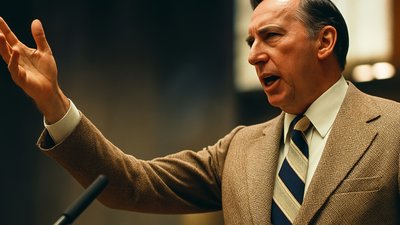
Derek Prince and the Roots of Deliverance Theology
Derek Prince played a formative role in shaping modern Charismatic theology through his teachings on deliverance, spiritual warfare, and prayer, while maintaining close ties to influential networks surrounding William Branham and the Full Gospel Business Men’s Fellowship. His legacy—cemented through the Shepherding Movement and overlapping with Latter Rain and prosperity teachings—helped lay the groundwork for the authoritarian apostolic structures later embraced by the New Apostolic Reformation.
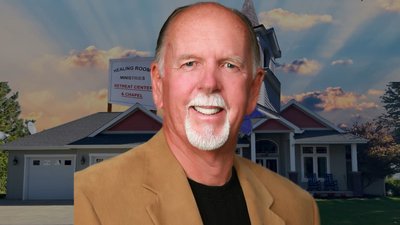
Cal Pierce, Bethel Church, and the Revival of John G. Lake’s Healing Rooms
Cal Pierce, a former businessman and leader within Bethel Church and the Full Gospel Business Men International, played a central role in reviving John G. Lake’s Healing Rooms and transforming them into a global faith-healing network aligned with the New Apostolic Reformation. By restoring and promoting Lake’s legacy—despite Lake’s documented fraud and controversial practices—Pierce helped reinforce NAR theology emphasizing supernatural healing, transferred anointing, and revivalist continuity.
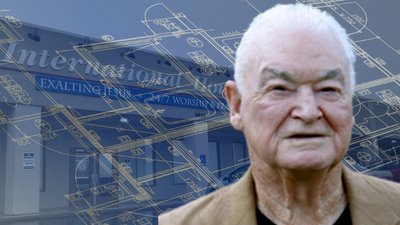
Bob Jones and the Kansas City Prophets: The Blueprint Behind IHOPKC
Bob Jones rose within the Kansas City Prophets and helped shape IHOPKC by promoting dramatic testimony, “technicolor” visions, angel-visit narratives, and end-times claims that echoed earlier Latter Rain patterns associated with William Branham. The through-line is that repeated prophetic failures and escalating dominion-focused timelines were treated as legitimizing “revelation,” creating a template for modern charismatic prophetic authority that continued to influence the NAR and related movements.
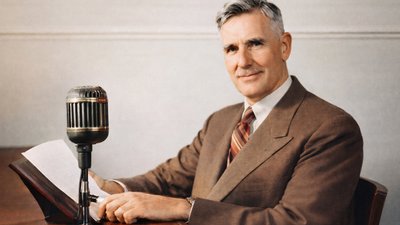
Charles Fuller and the Political Foundations of Modern Evangelical Media
Charles Fuller emerged as a powerful radio evangelist whose ministry blended revivalism, political activism, and prophetic rhetoric during a period of intense religious and cultural upheaval in the United States. His associations with figures such as Gerald B. Winrod, Paul Rader, and William Branham, along with the founding of Fuller Theological Seminary, positioned him as a key transitional figure linking early fundamentalism to later charismatic and Third Wave movements.
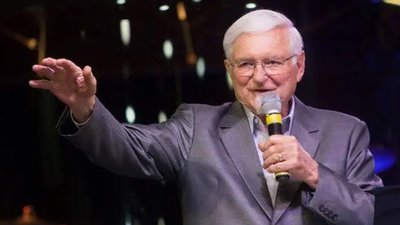
C. Peter Wagner, Fuller Seminary, and the Roots of the New Apostolic Reformation
C. Peter Wagner was a central figure in the Church Growth Movement at Fuller Theological Seminary, where he worked alongside John Wimber and helped shape theological currents that later became known as the New Apostolic Reformation. His legacy is marked not only by influence over modern charismatic networks, but also by deeply controversial positions on race, church authority, and social integration that continue to draw criticism from scholars and apologists.
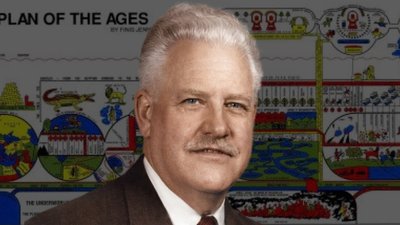
The Hidden Influence of Finis Dake on Word-Faith and Charismatic Leaders
Finis Jennings Dake was a highly influential Pentecostal teacher whose Annotated Reference Bible shaped the theology of later Charismatic and Word-Faith leaders. His rejection of eternal Sonship, promotion of a pre-Adamic race, dispensational speculation, and racial segregation reveal theological and ethical errors that closely paralleled and influenced William Branham and related movements.

Celestial Beings and the Hidden Roots of Charismatic Theology
This presentation traces the doctrine of celestial beings from British Israelism and Christian Identity movements into the Latter Rain revival through figures such as William Branham and Gordon Lindsay. By examining sermons, historical records, and theological claims, it reveals how pre-existence and celestial body teachings quietly reshaped modern Charismatic Christianity.
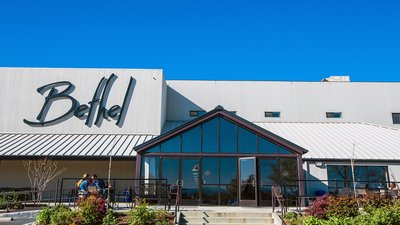
Bethel Church: From Full Gospel to the NAR
Bethel Church’s history reveals a consistent alignment with Latter Rain theology, beginning with mid-twentieth-century revivalism and continuing through modern charismatic movements such as the Toronto Blessing and the New Apostolic Reformation. Leadership transitions repeatedly shifted the congregation away from Assemblies of God oversight and toward faith healing, prophetic authority, and explicit admiration for William Branham’s legacy.
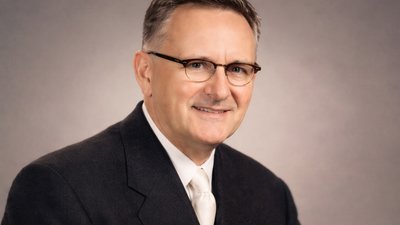
David du Plessis and the Hidden Architecture of Charismatic Power
David du Plessis, widely known as “Mr. Pentecost,” played a decisive role in transforming early Pentecostal revivalism into a trans-denominational charismatic movement built on relational authority, networks, and institutional access. Through documented collaborations with William Branham, Gordon Lindsay, healing revival leaders, ecumenical councils, and political mobilizations, his ministry helped establish the structural and cultural foundations later formalized within the New Apostolic Reformation.

Redefining “Christian”: How Branhamism Reshaped Faith, Race, and Authority
William Branham redefined Christianity around revelation, racial separation, and prophetic authority, replacing historic gospel foundations with exclusionary ideological tests. These distorted categories passed through the Latter Rain movement into modern charismatic networks, shaping aspects of contemporary apostolic and prophetic theology, including streams within the New Apostolic Reformation.
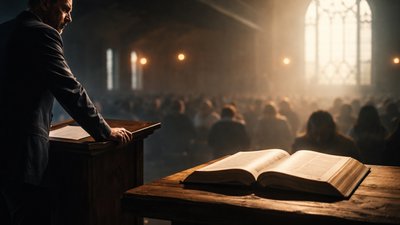
How William Branham and Latter Rain Rewrote the Five-Fold Ministry
This work examines the biblical foundation of the so-called five-fold ministry and traces how restorationist movements transformed ministry gifts into hierarchical authority structures. By following the doctrine from Ephesians 4 through Latter Rain theology, William Branham, and modern charismatic networks, it demonstrates how authoritarian control and spiritual abuse emerged as consistent fruit.
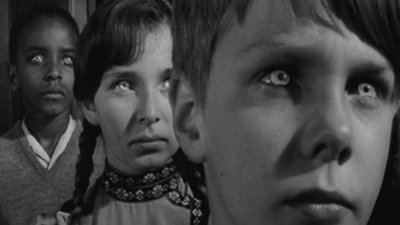
Brainwashing: How Spiritual Authority Becomes Social Control
Coercive persuasion in religious settings often works by narrowing what feels safe to question, reshaping trust, and attaching emotional consequences to agreement or dissent. These patterns are not universal across Pentecostal, Charismatic, or NAR-adjacent groups, but they appear frequently enough in high-control environments that they can be identified through consistent outcomes like fear of leaving, isolation, and "us versus them" framing.
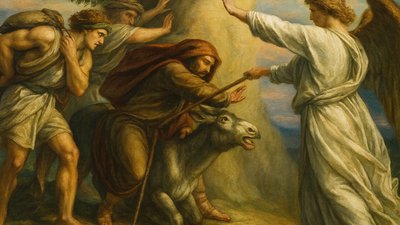
From Balaam to the New Apostolic Reformation: The Normalization of Prophetic Error
William Branham repeatedly used Balaam as a theological model to argue that genuine prophetic anointing and supernatural accuracy can coexist with doctrinal error, moral compromise, and destructive teaching, a framework he applied to the Latter Rain, the postwar Healing Revival, and later Charismatic and NAR movements. While this Balaam typology allowed Branham to critique revival excesses without denying supernatural experience, it also reshaped the biblical narrative in ways that insulated prophetic authority from accountability and helped normalize permissive theology under the language of unity, gifting, and success.
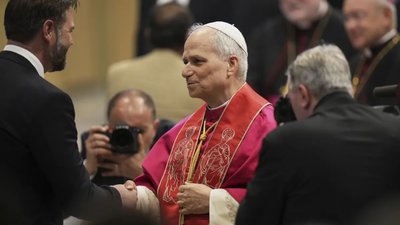
Rome as the Enemy: How Klan Ideology Shaped Revivalist Anti-Catholicism
Anti-Catholic ideology in the United States developed from nineteenth- and early twentieth-century nativism into organized movements such as the Ku Klux Klan, where Catholicism was framed as a foreign and authoritarian threat to American identity. Those narratives were later spiritualized within healing revivals and certain charismatic networks, allowing older patterns of religious hostility to persist under the language of prophecy, discernment, and spiritual warfare.
No records found.